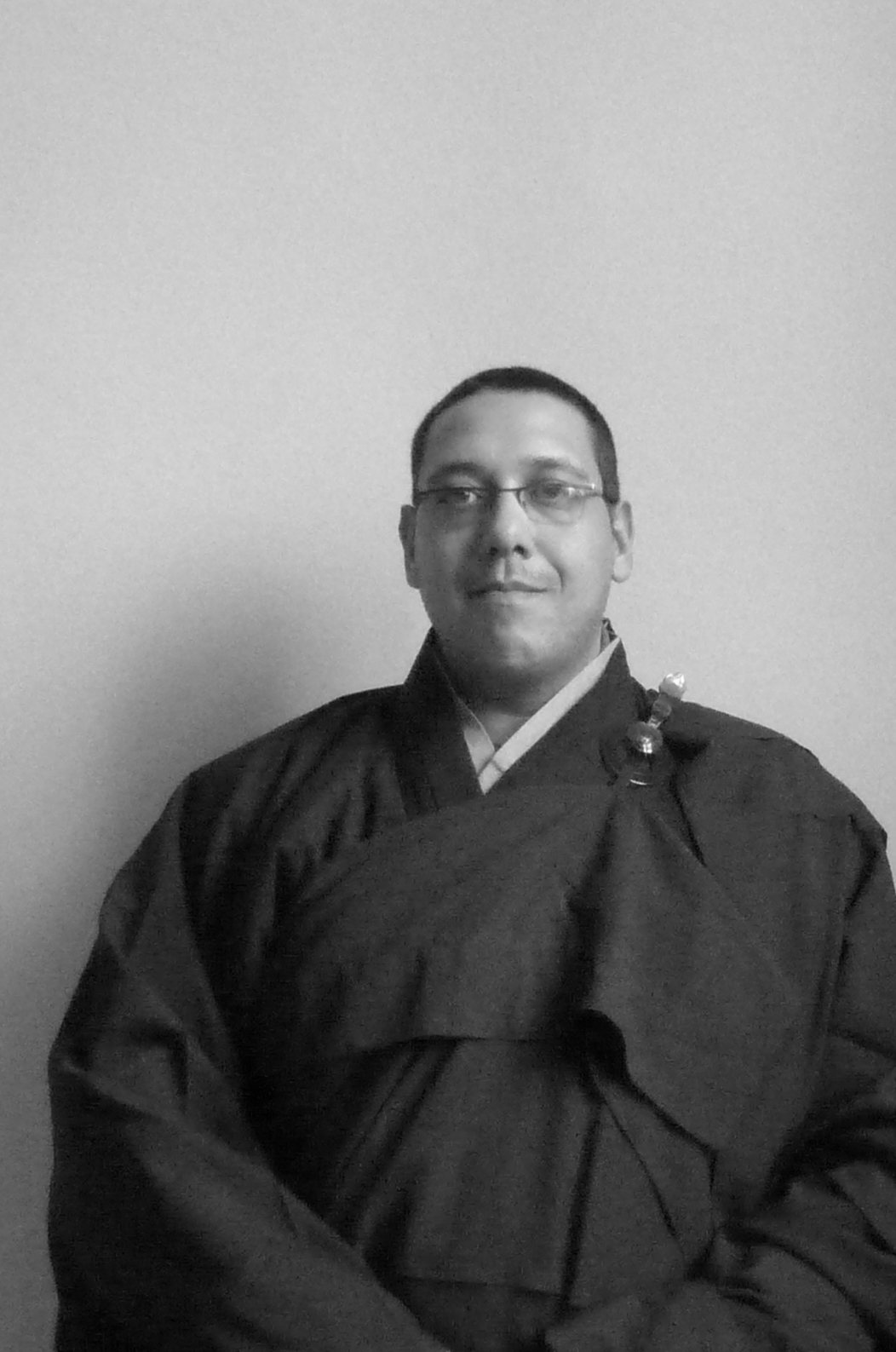
By: David Xi-Ken Astor, Sensei
It doesn’t take long for anyone new to Buddhist inquiry to encounter the name and lessons of the thirteenth century Japanese Zen Master Dogen. He is referenced all the time in Zen/Ch’an publications today. He is a Zen superstar, and is credited for establishing the Soto Zen school. His work is referenced by both Chinese, Japanese, and contemporary Western Zen Buddhist teachers today as representing how important mindful meditation (zazen) and a common sense approach for a serious practice is. He is very pragmatic in his approach to Buddhist thought. “Useful and productive” seems to be an underling theme throughout his teaching. He, of course, had no notion of the term ‘pragmatic’. While the term has been around for quite a few decades, it is also a modern philosophical construction arising from the American pragmatic movement in the nineteenth and twenty centuries. But Dogen’s path to development of a pragmatic perspective to life, and his subsequent worldview, was one that he cultivated over a period of years, especially in his travels and study in China.
Dogen was one of the major leaders in the Kamakura period’s revitalization of Buddhism in Japan. It was not an immediate consequence of his influence on the cultural changes that took place during this dynamic period in Japanese history, but one that required decades to accomplish. These changes, and the new Buddhist schools that emerged, had either direct or indirect roots in China. These new schools, including what was to become know as Soto Zen, emphasized the practical actions to be undertaken by both lay and monastic students stressing individual practice that was supported by a Sangha open to all. It was no longer just a monastic practice that was required for coming to a realized state of body-mind. What was more important was establishing a strong student/teacher relationship. In order to do this, authenticated teachers were encouraged to make themselves open to those outside the walls of a temple. This was a revolutionary change. In the past, only the best educated and aristocratic families contributed to the monastic communities. In the type of militaristic culture Japan had at the time, it was only possible for the samurai class to participate in the traditional style of education like offered in monastic communities. There were exception, but they were rare. Dogen himself came from an aristocratic family, but early life circumstances provided him a chance to move away from what was expected of him and instead followed his developing awareness that was calling him to step on the spiritual path.
Dogen was driven to find answers to one nagging question, “If we are all enlightened beings, why is it so difficult to achieve this understand?” To get answers that could be useful and productive to his own practice, he decided to travel to China where he thought he would find a teacher that could work with him on this question. He was taking the bull by the horns, and his life would never be the same again. On this first trip to China he stayed for four years and worked on his meditation technique that was stressed in Chinese Ch’an practice over what was emphasized in traditional Japanese Buddhism in the thirteenth century. He experienced a breakthrough that was authenticated by his teacher. When he returned to Japan it was with a new pragmatic approach to practice that was outside conventional structures of his day, and placed emphases on personal experience that acted as the basis for self-realization when combined with a strong zazen practice. Continue reading










 Order of Engaged Buddhists